Making history feel alive for ages 5–8
How we structure our History Adventures series so big ideas land — without overwhelming young listeners.
By The Little Ears Studio
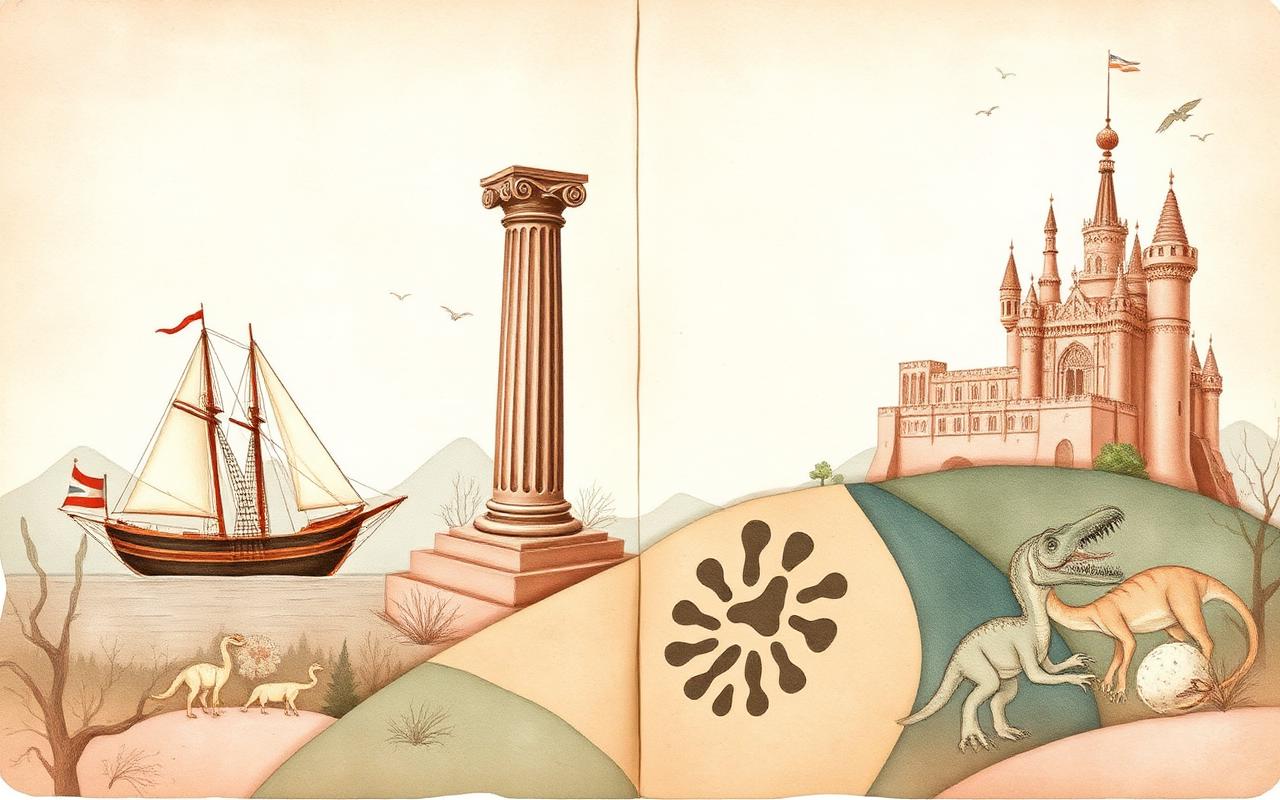
“History” can sound like a school subject. But to a curious five-year-old, it's just the best kind of story — full of pyramids, castles, dinosaurs, and people who did brave, clever things a long time ago. Audio is a wonderful way in. Here's why it works, and how to use it.
Stories beat facts
Nobody remembers a list of dates. Everybody remembers a character. When history arrives as an adventure — twins sailing the Nile, a knight facing the dark — kids absorb the facts almost by accident, because they're wrapped in a story they care about.
Audio builds the pictures
With no screen, a child has to imagine ancient Egypt for themselves — the heat, the river, the hieroglyphs. That act of picturing is exactly what makes the learning stick, and it's a skill that carries straight into reading.
It sparks the best questions
A good history story doesn't end when you press stop. It ends with a five-year-old asking, “did people really live in castles?” — and suddenly you're having a conversation, not a lesson.
How to use it at home
- Play a history story in the car, then look for one real thing connected to it — a castle in a picture book, a pyramid online.
- Let curiosity lead. If they loved the dinosaurs, follow that thread before moving on.
- Keep it light. The goal at this age isn't mastery — it's wonder. The facts will follow the wonder every time.
Give little ears a great story about the past, and you're not just teaching history. You're teaching them that learning is an adventure.