Why a 12-minute sleep story works (and a 30-minute one doesn't)
What the research says about audio length, pacing, and the magic number that helps little brains wind down.
By The Little Ears Studio
When we set out to make sleep stories, we assumed longer was better — more story, more value. We were wrong. After a lot of listening (and a lot of bedtimes), we landed on a sweet spot closer to 8–15 minutes. Here's why.
Sleep is about slowing down, not filling time
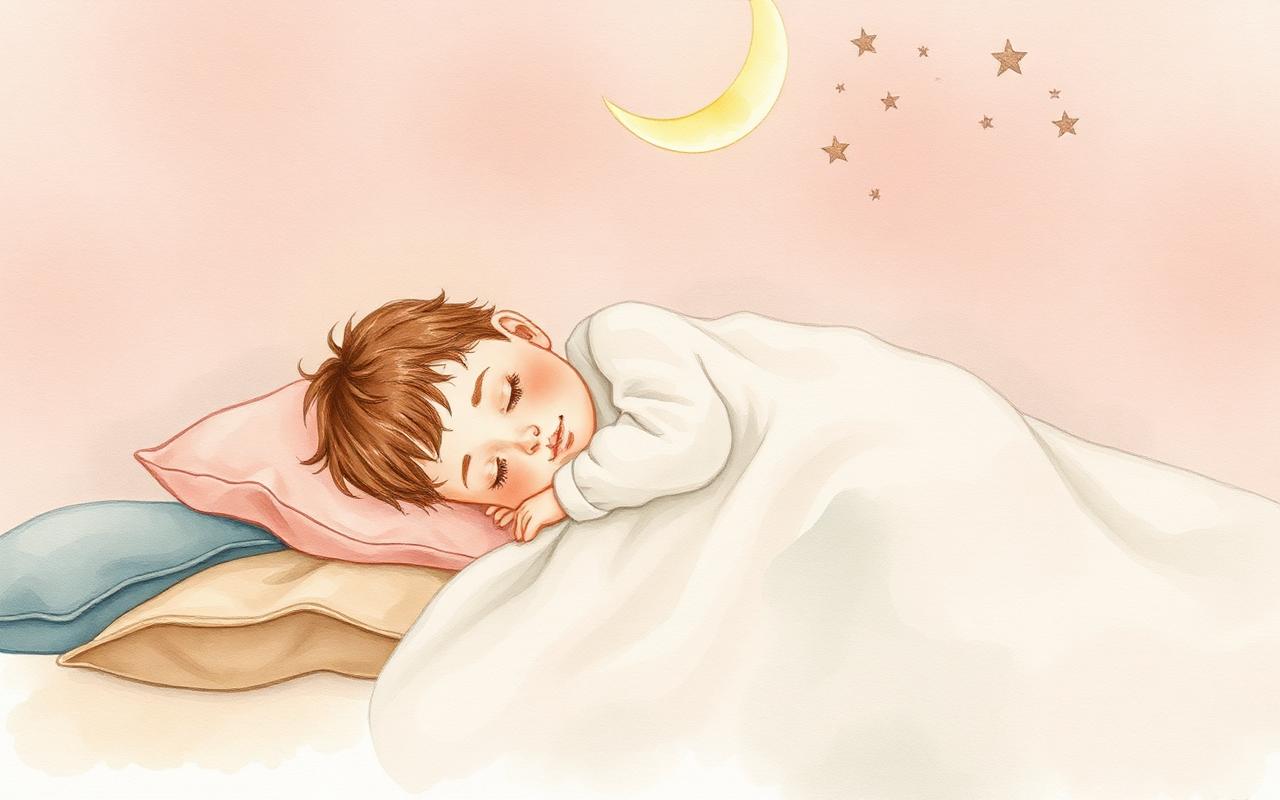
A good sleep story isn't a story you follow to the end — it's a gentle offramp. The goal is to give a busy little mind something calm to hold onto while the body powers down. Once that's happening, more plot just gets in the way.
Long stories create a finish line
A 30-minute story invites kids to stay awake for the ending. A shorter, softly-fading story removes the finish line entirely, so drifting off feels natural instead of like “missing” something.
Pacing matters more than length
What actually helps is slow narration, lots of soft pauses, repetition, and a voice that gradually gets quieter. That's why our sleep stories fade into gentle ambience — a stream, soft crickets — so there's no jarring stop to wake anyone back up.
The ritual is the real magic
Kids' brains love predictability. The same short story, in the same spot, at the same time, becomes a cue: this is how we go to sleep. Consistency does more work than any single story ever could.
Our rule of thumb: keep it short, keep it slow, and let it trail off softly. Sweet dreams.